The landscape of trenchless technology has evolved dramatically over the past few decades, transforming the way municipalities and contractors approach underground infrastructure projects. As urban areas become denser and more environmentally conscious, traditional excavation methods are increasingly being scrutinized for their disruptive nature. Enter trenchless technology, a suite of methods that allow for efficient underground pipe repair and installation with minimal surface disruption.
This article will explore several future trends that promise to shape trenchless technology, examining innovations in materials, techniques, and applications that will redefine how we manage aging sewer systems and other underground utilities.
Advancements in Materials
A significant aspect of the evolution of trenchless technology is the development of advanced materials. Traditional pipe materials like concrete and clay are gradually being supplemented or replaced by newer options that offer greater durability, flexibility, and resistance to corrosion.
Cured-in-place pipe (CIPP) lining is one method that has seen substantial advancements. This technique involves inserting a resin-saturated felt tube into an existing pipe. Once positioned correctly, it is inflated and cured to form a new pipe within the old one. The future points toward even more resilient CIPP materials that can withstand chemical degradation from sewer gases and infiltration from surrounding soil.
Another emerging material trend is the use of thermoplastic pipes. These lightweight options resist corrosion and can be installed without heavy machinery, making them suitable for urban environments where space is limited. They also have a lower environmental impact due to reduced excavation needs.
Integration of Smart Technology
The integration of smart technology into trenchless applications holds immense potential for enhancing operational efficiency and monitoring capabilities. Sensors embedded in new piping systems can provide real-time data regarding pressure levels, flow rates, and potential leaks. This information helps utility managers make informed decisions about maintenance schedules before significant issues arise.
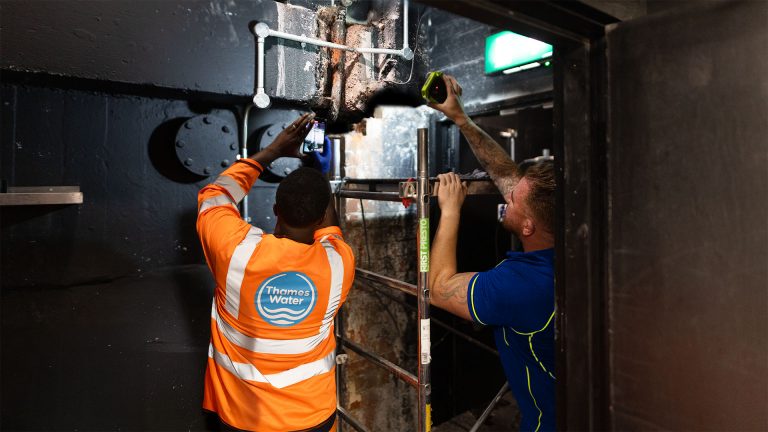
Moreover, geographic information systems (GIS) are becoming indispensable tools in trenchless projects. By mapping out existing underground infrastructure digitally, these systems allow for better planning and execution of repairs or installations. The predictive analytics capabilities offered by GIS can help identify areas at higher risk for failure due to aging pipes or environmental factors.
As cities continue to invest in "smart city" initiatives, trenchless technologies combined with excellent data analytics will help create more efficient utility management systems.
Expansion of No-Dig Solutions
The term "no-dig" encompasses various techniques aimed at minimizing surface disruption during repairs or installations. While traditional trenching methods often lead to traffic disruptions and extensive restoration work, no-dig solutions such as horizontal directional drilling (HDD) enable crews to install new pipelines beneath roads or buildings with minimal disturbance.
Looking ahead, we can expect further expansion in no-dig solutions across different sectors beyond conventional plumbing repairs. Industries like telecommunications are already exploring these methods to lay fiber optic cables without extensive excavation activities.
Furthermore, as urbanization continues globally, municipalities are likely to adopt no-dig methods more widely as part of their infrastructure upgrade strategies.
Sustainable Practices
With growing awareness around environmental sustainability, trenchless technology is increasingly aligning itself with eco-friendly practices. Innovations such as using recycled materials for pipe production or adopting fuel-efficient machinery during installation reflect this shift towards greener operations.
Additionally, minimizing surface disruption not only benefits local ecosystems but also reduces waste generated from traditional excavation projects. This focus on sustainability will likely resonate strongly with both regulators and community members as pressing concerns about climate change gain traction.
Contractors might cracked sewer pipe repair also find themselves facing stricter regulations regarding environmental impacts in upcoming years—leading them toward adopting more sustainable trenchless technologies proactively rather than reactively addressing compliance issues later on.
https://thepleasantplumbermn.com/about-us/
Training & Workforce Development
As trenchless technologies evolve rapidly along with associated equipment becomes sophisticated; there will be an increasing need for skilled professionals who understand these new methodologies thoroughly. Training programs focused specifically on trenchless methods should expand significantly over the coming years—providing hands-on experience alongside theoretical knowledge about advanced materials and innovative techniques available today.
Investing time into workforce development ensures that companies remain competitive while effectively meeting client demands without compromising safety standards or quality deliverables during installations or repairs involving complex underground utilities networks.
Moreover; educating current employees through workshops focusing on emerging trends enhances overall productivity levels within organizations—ultimately benefiting end-users who rely heavily on reliable utility services daily.
Conclusion: Embracing Change
The future trends shaping trenchless technology signify a transformative period for how we approach underground infrastructure challenges today—and tomorrow. With advancements in material science leading us toward longer-lasting solutions; integrating smart technologies enabling proactive maintenance strategies; expanding no-dig solutions minimizing environmental impact; prioritizing sustainable practices across all sectors; fostering workforce development ensuring skilled labor availability—there’s much reason for optimism about what lies ahead!
Adopting these innovations will not only improve operational efficiencies but also foster resilience against aging infrastructure challenges facing municipalities worldwide today! Staying abreast of these developments equips industry professionals—be it contractors or utility managers—with the knowledge necessary to address contemporary challenges while paving pathways towards sustainable futures built beneath our feet!