The plumbing industry has seen substantial advancements over the years, particularly in the realm of trenchless technology. Traditional methods of pipe repair often involved extensive digging, which not only disrupted landscapes but also resulted in significant costs and labor. In recent times, trenchless plumbing repair has emerged as a revolutionary solution that minimizes disruption while effectively addressing issues related to aging sewer pipes, leaking drain pipes, and even collapsed sewer lines.
Trenchless technology encompasses various techniques designed to repair or replace underground pipes without the need for extensive excavation. This article delves into the latest innovations in trenchless plumbing repair, focusing on key methods such as cured-in-place pipe lining (CIPP), no-dig pipe repair, and other emerging techniques that are reshaping how we approach plumbing problems.
Understanding Trenchless Technology
At its core, trenchless technology allows for the repair or replacement of damaged underground pipes using minimal surface disruption. By employing advanced tools and methods, plumbers can access pipes without digging large trenches. This not only preserves landscaping but also reduces repair times significantly.
Key benefits of trenchless plumbing include:
Minimal Disruption: As there is little to no excavation required, homeowners experience less inconvenience. pipe corrosion detection Cost-Effectiveness: Reduced labor costs associated with extensive digging make trenchless solutions often more affordable than traditional repairs. Speedy Repairs: Many trenchless techniques can be completed in a matter of hours rather than days. Longevity: The materials used in modern trenchless repairs often outlast traditional piping solutions.Cured-in-Place Pipe Lining (CIPP)
CIPP is one of the most widely recognized methods within trenchless technology. This process involves inserting a resin-saturated liner into a damaged pipe and then curing it to form a new pipe within the old one. The result is a seamless, joint-free pipe that is resistant to corrosion and leaks.
The CIPP process typically unfolds as follows:
- Inspection: Advanced cameras inspect the interior of pipes to determine damage extent. Cleaning: High-pressure water jets clean out debris and buildup within the existing pipes. Liner Insertion: A flexible liner coated with resin is inserted into the damaged section. Curing: The resin is then cured using hot water or steam, hardening into a durable layer that restores flow capacity and structural integrity.
This method is especially effective for cracked sewer pipe repairs and addressing issues associated with aging sewer pipes that may not be fully collapsed but are showing signs of failure.
No-Dig Pipe Repair Techniques
No-dig technologies extend beyond CIPP, incorporating several innovative methods designed for specific types of damage or installation scenarios. These include:
- Pipe Bursting: This technique involves breaking apart an existing damaged pipe while simultaneously installing a new one in its place. A bursting head is inserted into the old pipe, which fractures it as it moves through, allowing for easy installation of new piping behind it. Sliplining: Sliplining involves inserting a smaller diameter pipe into an existing pipeline. This method provides a quick fix for leaking drain pipes without needing extensive ground disturbance.
Both approaches offer unique advantages depending on the situation at hand. For instance, pipe bursting works well when replacing long stretches of severely damaged piping, while sliplining can serve as an effective short-term solution for less severe leaks.
Addressing Common Issues with Trenchless Solutions
Trenchless plumbing repair techniques tackle various common issues efficiently:
Sewer Pipe Leaks: Aging infrastructure often leads to leaks due to corrosion or root intrusion. Trenchless methods allow for quick identification and remediation without significant landscape disruption.
Collapsed Sewer Lines: When faced with complete line failure, traditional excavation might seem like the only option; however, trenchless technologies offer viable alternatives that minimize surface impact during repairs.
Pipe Corrosion Repair: Corrosion can weaken pipes over time, leading to potential failures. CIPP lining provides added protection against future corrosion while restoring function.
Signs of Sewer Line Failure: Homeowners should remain vigilant for indicators such as slow drains, foul odors from their yard or home, or unexplained wet areas on their property—each could signal underlying sewer issues best addressed through trenchless techniques.
Real-Life Applications and Case Studies
Several municipalities have successfully implemented trenchless technologies to improve their infrastructure without major disruptions to daily life. For example:
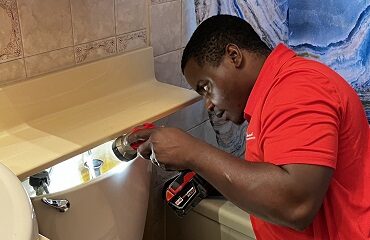
In 2019, a city faced significant challenges due to aging sewer lines that frequently failed under pressure from increasing urban development. By adopting CIPP techniques across multiple neighborhoods simultaneously, they managed to rehabilitate thousands of feet of piping within months rather than years—a feat made possible by reduced traffic disruptions often associated with traditional excavations.
Another case involved mid-sized commercial properties experiencing frequent drainage issues due to root intrusions in their older piping systems. After evaluating each property’s needs through camera inspections followed by targeted no-dig solutions like sliplining where applicable, owners reported improved drainage efficiency almost immediately after completion—highlighting both cost savings and enhanced functionality offered by these modern methodologies.
The Future of Trenchless Plumbing Repair
As technology advances further—especially regarding materials science—the future looks promising for trenchless plumbing repair methods like CIPP lining and no-dig solutions overall. Innovations such as robotic-assisted inspections are gaining traction; these devices provide real-time data analysis while navigating complex networks within existing infrastructures—allowing plumbers greater insights than ever before when determining optimal approaches toward repairs.
Moreover, sustainable practices are becoming integral components alongside these developments; eco-friendly materials now used in liners help minimize environmental impacts associated with traditional plumbing practices throughout all phases—from initial installations down through eventual replacements down the road if necessary.
Final Thoughts on Trenchless Innovations
Staying current requires keeping an eye on developments within this specialized field since advancements will likely continue shaping how we approach repairing damaged underground systems moving forward seamlessly—ultimately benefiting both homeowners seeking efficient solutions along with professionals tasked with providing them hassle-free services focused around quality workmanship backed by innovative methodologies tailored toward each unique scenario encountered over time.
By embracing these modern techniques offered through trenchless plumbing repairs today—with their ability not just addressing immediate concerns but also safeguarding against future complications resulting from neglect—we position ourselves better prepared when managing our infrastructure's ongoing demands amidst growing urbanization challenges ahead!